Skip to content
24/7 coordination: 0333 006 2393
Care Circle Ltd — The Reliable Care Agency
Detailed guide · Neurological rehabilitation

Neurological physiotherapy in everyday surroundings.

A considered approach to movement, function and participation when a neurological condition affects everyday life.

  • Individual neurological needs
  • Meaningful functional goals
  • Specialist suitability checked
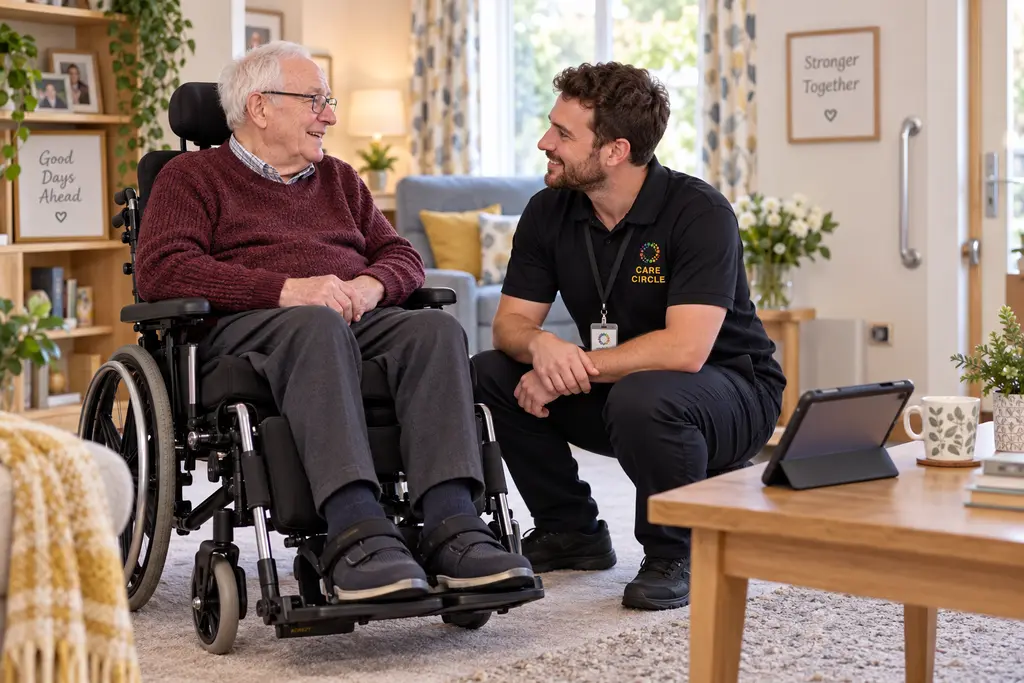
Care Circle professional talking with an older man using a supportive wheelchair in a British living room
Rehabilitation planned around the person’s abilities and priorities.
Built around youMovement.Independence.Everyday life.

Neurological conditions affect people in different ways. A physiotherapy enquiry might follow a stroke or acquired brain injury, or relate to living with Parkinson’s disease, multiple sclerosis or another neurological condition. Care Circle considers the individual request and the specialist experience required; a condition name is not a guarantee that a particular programme can be offered.

Begin with function, comfort and participation.

The physiotherapist explores how the condition affects movement and the activities the person values. Goals may involve walking, balance, using a chair, transfers or tolerating everyday activity. The assessment also needs to account for fatigue, pain, cognition, communication and changes across the day.

For a progressive condition, maintaining participation, adapting a task or supporting comfort may be more appropriate than a recovery target. For rehabilitation after an injury or stroke, goals depend on the individual presentation and the wider clinical plan. No fixed improvement or recovery timescale should be assumed.
An individual programme with room to adapt.

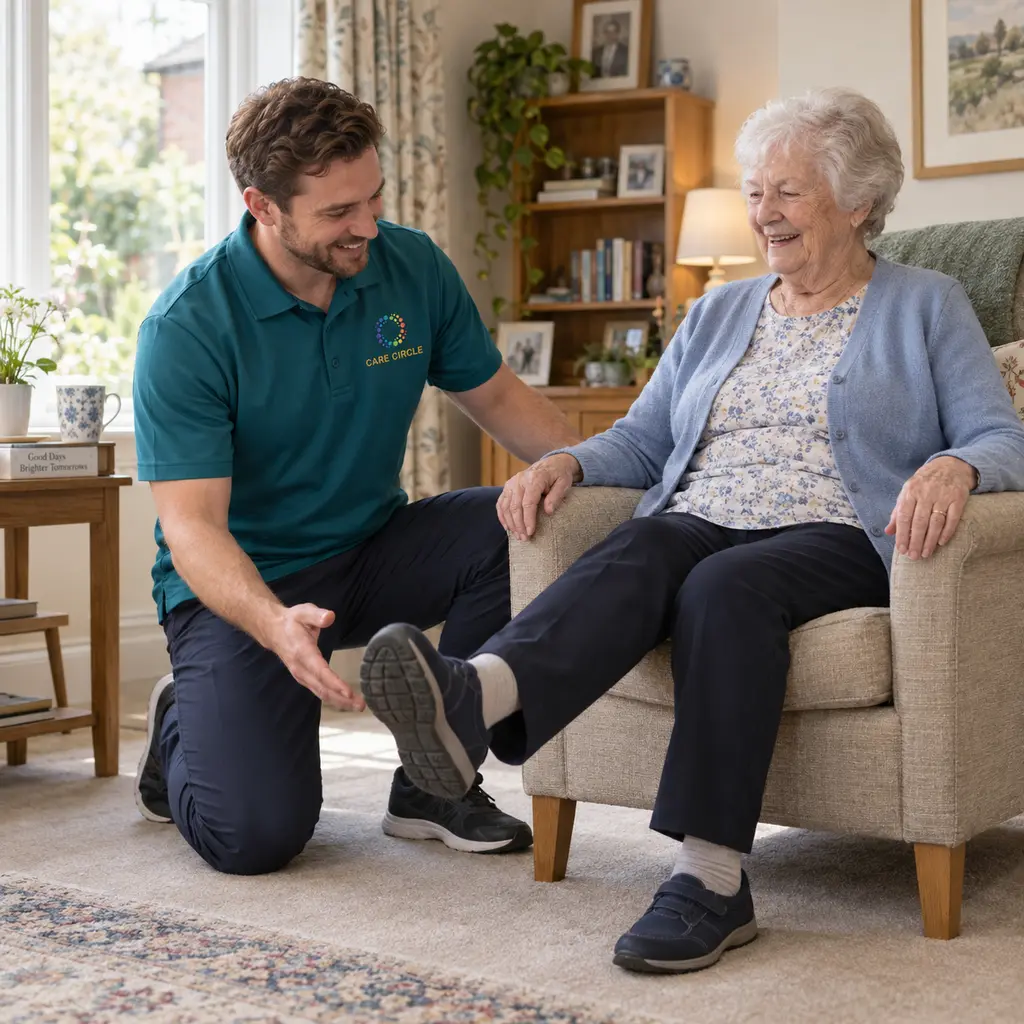
Assessment can lead to a plan of relevant movement practice, exercise, pacing and advice. The physiotherapist will explain the purpose of the agreed activities and what support is needed. Session length and frequency should reflect tolerance and the clinical situation, rather than a standard package sold before assessment.

Changes in symptoms or function may require coordination with another clinician. Tell the physiotherapist about existing advice, equipment and NHS or private rehabilitation input. Specialist seating, communication, swallowing, medical management and other needs may involve different members of the multidisciplinary team; physiotherapy does not replace them.

Support relatives and carers to understand the plan.

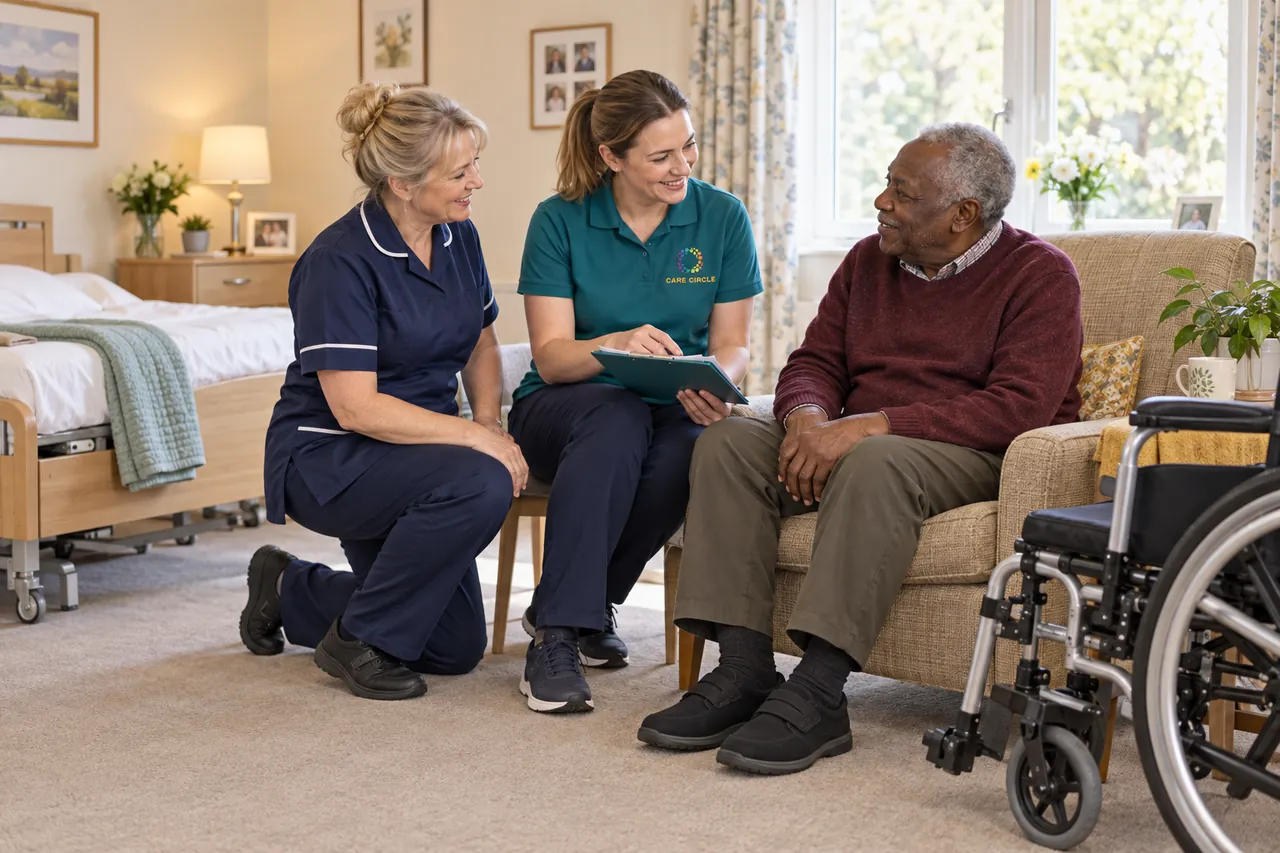
Where agreed, a relative or carer can attend to understand the goals and how to support suitable activities between visits. Instructions should be clear about supervision, physical assistance and when to stop and seek advice. Care staff should work within the person’s plan and their own competence.

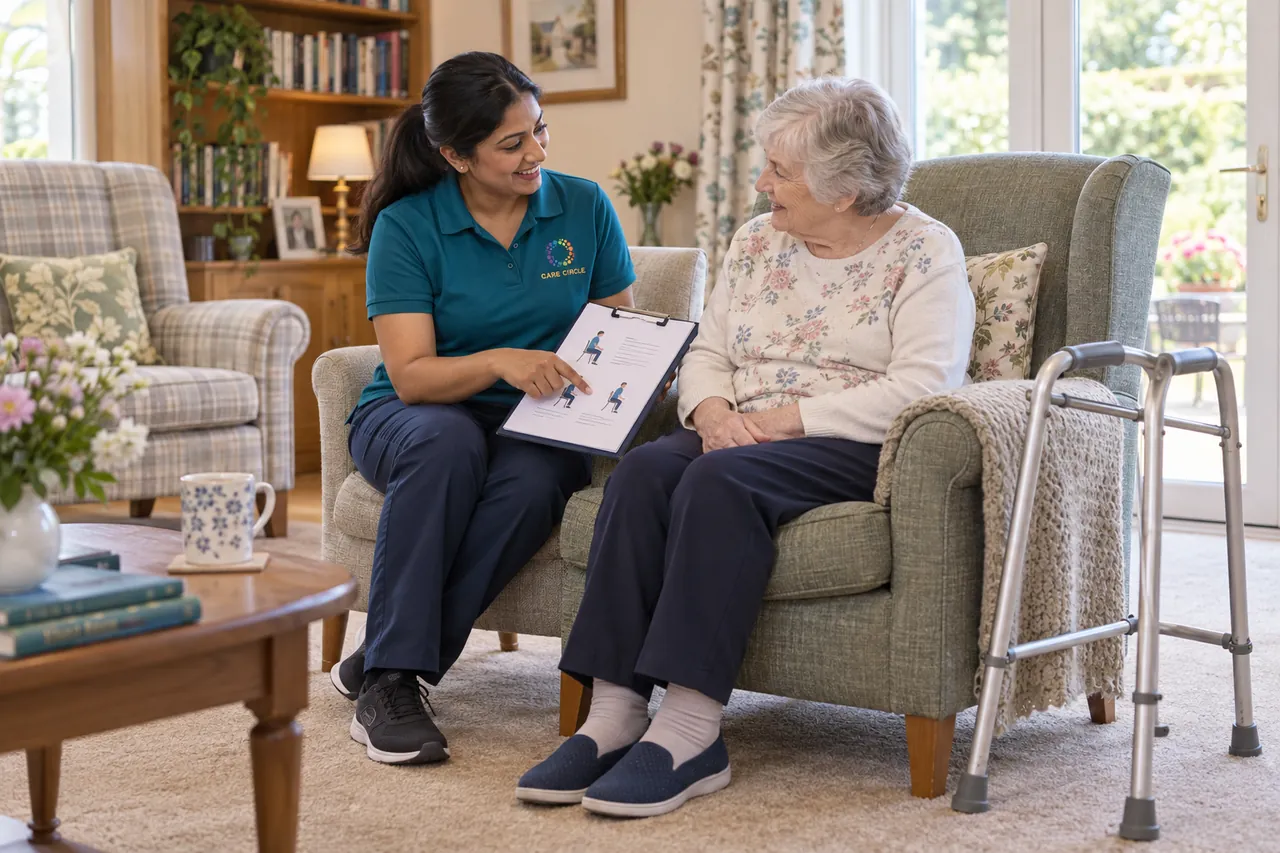
In a care or nursing home, the physiotherapist can discuss how rehabilitation fits with routines and staffing. At home, the plan must be manageable within the support actually available. Consent and information-sharing arrangements should be revisited if the people involved change.

What to tell us when you enquire.

Start with the person’s location, living setting, broad condition or reason for referral and the main activity they want help with. Mention whether a rehabilitation team is already involved. We can then identify what further information is required and whether an appropriately experienced physiotherapist is available.

Relevant reports and detailed clinical information should follow through an agreed secure route. A written quotation will explain assessment, proposed follow-up and any reporting costs. Physiotherapy is planned care; sudden new neurological symptoms require urgent medical assessment rather than a routine enquiry.

A little more clarity

Your questions,
answered.

For advice about your own circumstances, speak with the care team before making arrangements.

Can I enquire about physiotherapy after a stroke?

Yes. Share the broad needs and whether an NHS stroke or rehabilitation team is involved. Suitability, timing, available expertise and coordination with the existing rehabilitation plan will need to be considered.

Can goals change as a condition progresses?

Yes. Review may shift the emphasis towards maintaining function, adapting activities, comfort or participation. The person’s preferences and current clinical needs guide that discussion.

Will a general exercise class provide the same support?

An individual neurological assessment and programme are different from a general activity class. Ask what expertise, assessment and supervision are needed for the person’s circumstances.

Your next step

Let’s talk about the right support.

Tell us where support is needed, the everyday goal and whether you are considering physiotherapy, occupational therapy or both. We’ll discuss suitability, local availability and a tailored quotation before you decide.

A consultation request does not commit you to a course of treatment.
Further reading from professional and public health sources

This guide explains service arrangements and general rehabilitation considerations. The clinician assesses what is appropriate for the individual.